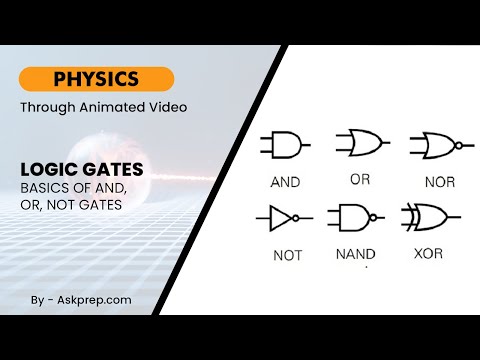
Logic Gates Explained AND, OR, NOT | Basics of Digital Electronics
Logic gates are the building blocks of digital electronics. This blog breaks down the fundamental gates — AND, OR, and …
Stay updated with the latest exam strategies, subject guides, and expert guidance for UPSC, SSC, and state-level exams.
Logic gates are the building blocks of digital electronics. This blog breaks down the fundamental gates — AND, OR, and …
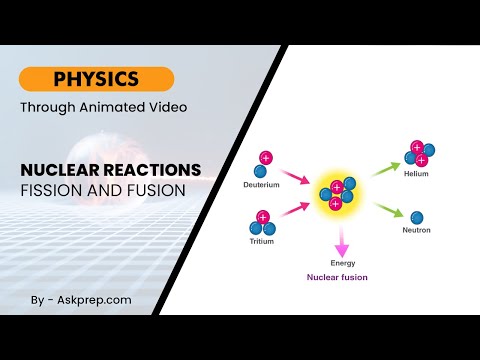
Nuclear reactions power stars and nuclear plants alike. This blog explores the two main types — fission and fusion — hi…
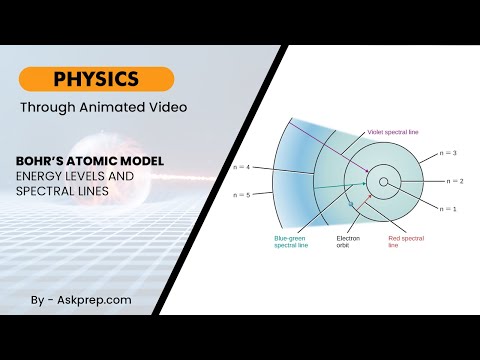
Bohr’s atomic model revolutionized our understanding of the atom by introducing fixed energy levels for electrons and e…
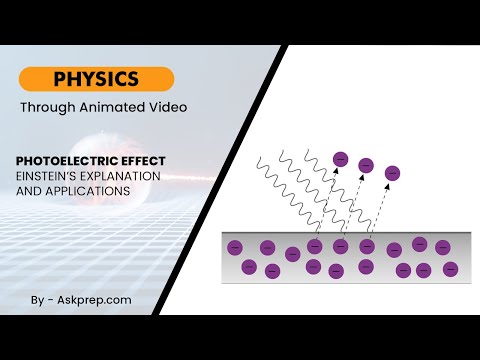
The photoelectric effect revealed a surprising link between light and electricity, shaking the foundations of classical…
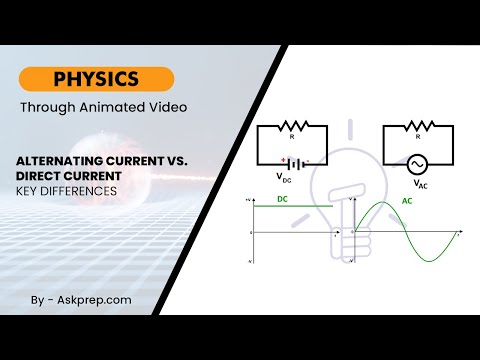
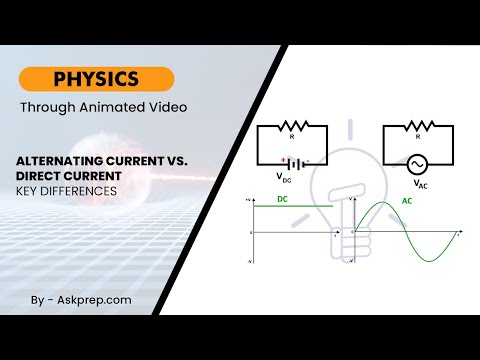
Alternating current (AC) and direct current (DC) are two fundamental forms of electric power. This blog explains how th…
Electric current not only powers devices—it also creates magnetic fields. This blog explores two key laws in electromag…
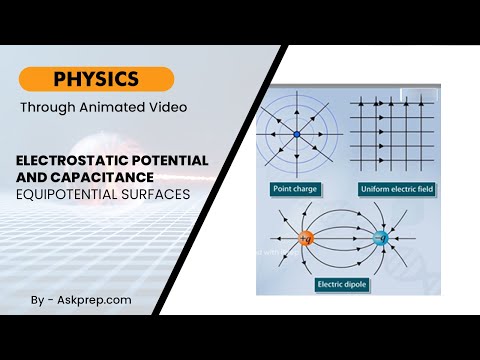
Electrostatics is the study of electric charges at rest, and key to this is understanding electrostatic potential and c…
Coulomb’s Law and Newton’s Law of Gravitation describe forces between two objects—but one deals with electric charges, …
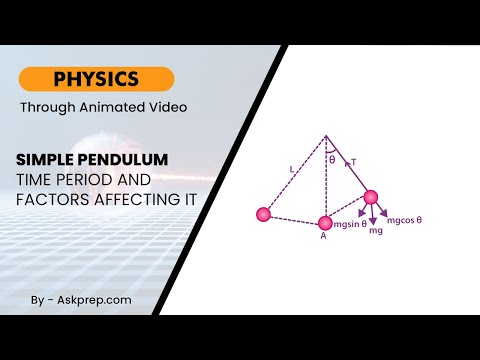
A simple pendulum is one of the most fundamental systems in physics used to study periodic motion. This blog explains h…
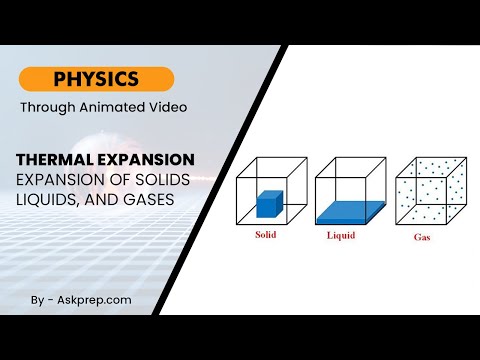
When substances are heated, they expand. This blog explains the science of thermal expansion across solids, liquids, an…
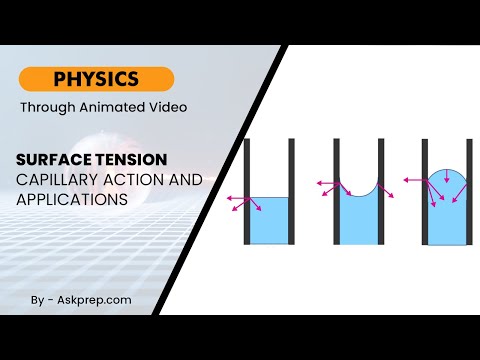
Why do water droplets form spheres? How does water climb up a paper towel or the roots of plants? The answers lie in tw…
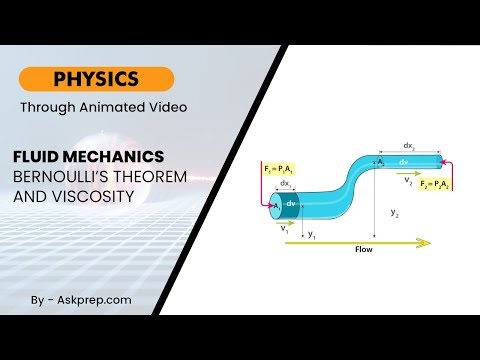
Fluid mechanics explores how liquids and gases move. In this post, we dive into Bernoulli’s Theorem, which explains ene…
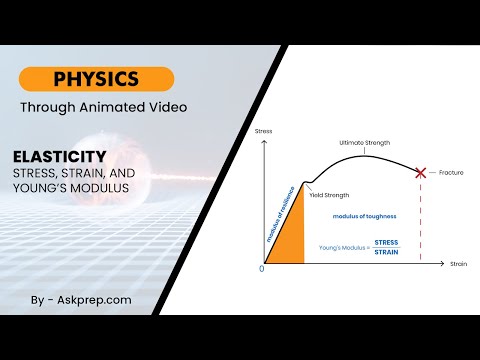
Elasticity describes how materials return to their original shape after being deformed. This blog breaks down the key c…
The concepts of center of mass and rotational motion help explain how objects move, balance, and spin. This blog explor…
Understanding units and measurements is the foundation of all scientific study. In this blog, we explore the SI unit sy…
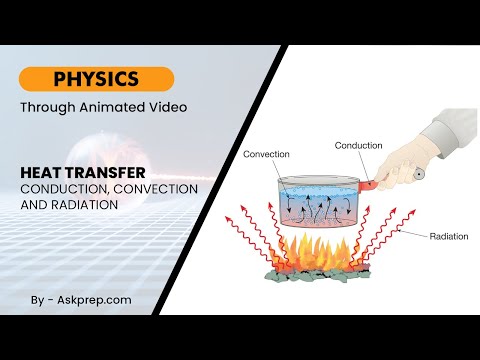
Heat always flows from hotter to colder objects — but how it moves depends on the medium and mechanism. This blog explo…
Communication systems are the backbone of modern technology, allowing us to transmit information over long distances. T…
Electricity powers nearly all modern devices, but not all materials conduct electricity in the same way. This blog expl…
Semiconductors are the foundation of modern electronics, with diodes and transistors playing crucial roles in circuits.…
Radioactivity is a fundamental concept in nuclear physics, playing a crucial role in various scientific fields, from me…
Radioactivity is a fascinating and vital concept in nuclear physics, where unstable atomic nuclei release energy in the…
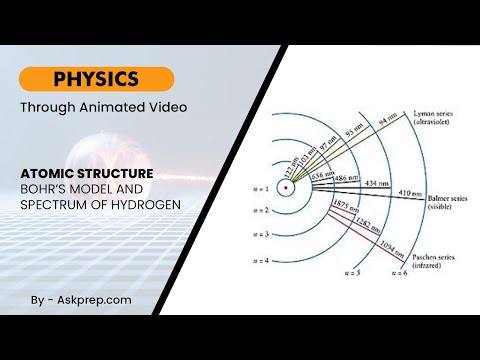
Bohr's atomic model revolutionized our understanding of atomic structure by introducing quantized energy levels. This b…
The concept of dual nature of radiation and matter reveals that both light and matter exhibit both particle-like and wa…
Wave optics deals with the behavior of light as a wave. Two of the most important phenomena in wave optics—interference…
Ray optics, also known as geometrical optics, is a branch of optics that describes the behavior of light in terms of ra…
Electromagnetic waves are oscillations of electric and magnetic fields that travel through space, carrying energy. They…
In AC circuits, the interaction between inductors, capacitors, and resistors (LCR circuits) plays a crucial role in det…
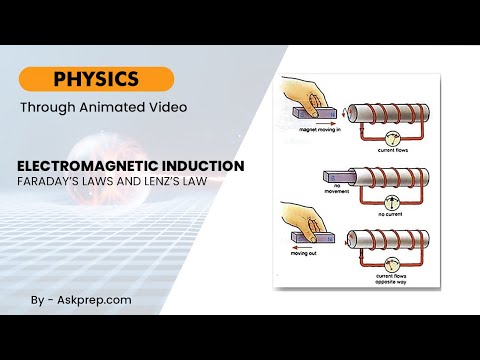
Electromagnetic induction is the process of generating an electromotive force (EMF) or voltage in a conductor due to a …
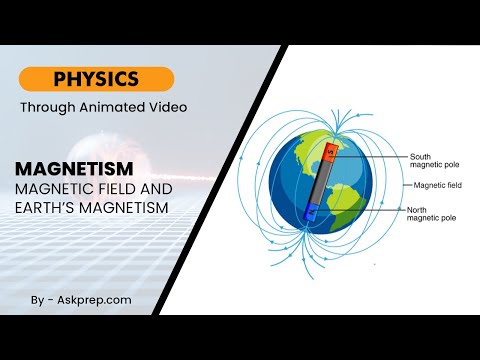
Magnetism is a natural force caused by the motion of electric charges. It creates magnetic fields, which influence cert…
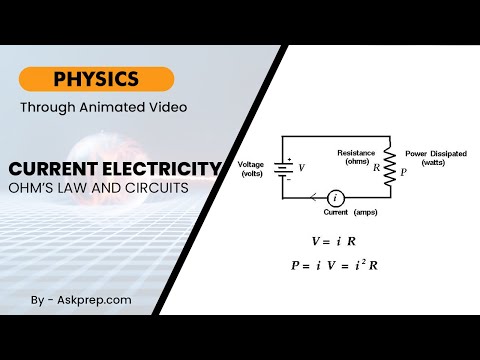
Current electricity refers to the flow of electric charge through a conductor. It powers most of the devices we use dai…
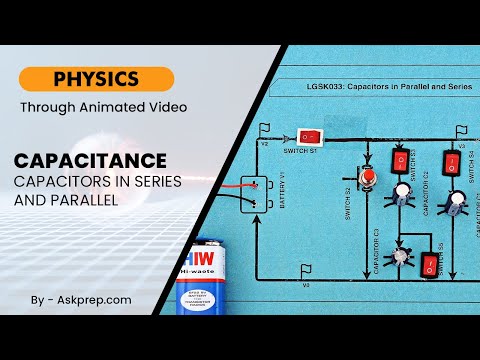
Capacitance is the ability of a system to store electric charge. Capacitors are components designed for this purpose an…
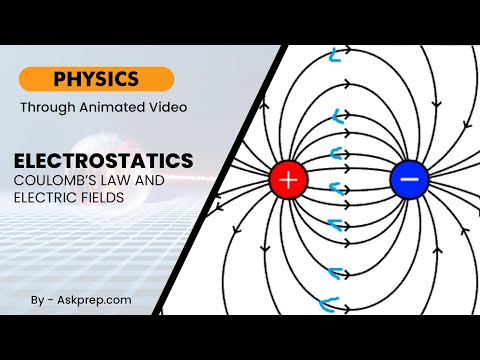
Electrostatics is the study of electric charges at rest and the forces they exert on each other. It explains phenomena …
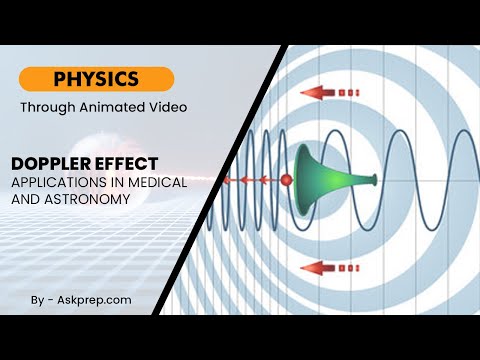
The Doppler Effect is a phenomenon where the frequency or wavelength of a wave changes based on the motion of the sourc…
Waves are fundamental phenomena observed throughout nature and science, from the gentle ripples on a pond’s surface to …
Oscillations are a fundamental concept in physics that describe repetitive motions or fluctuations of objects or quanti…
The Kinetic Theory of Gases provides a molecular-level understanding of gases and their behaviors. It describes how gas…
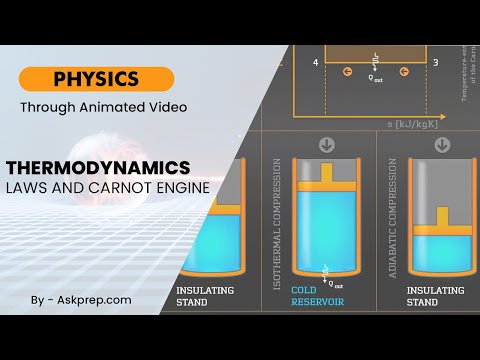
Thermodynamics is a branch of physics that deals with the study of energy, heat, and work and how they relate to each o…
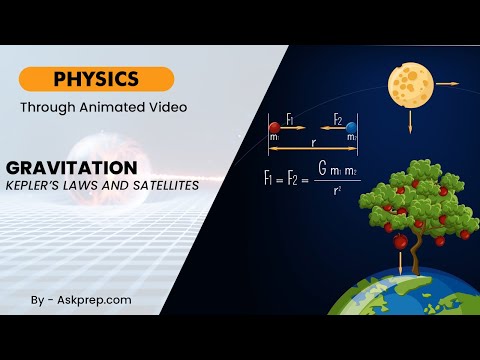
Gravitation is one of the fundamental forces of nature and governs the motion of celestial bodies. It is the force that…
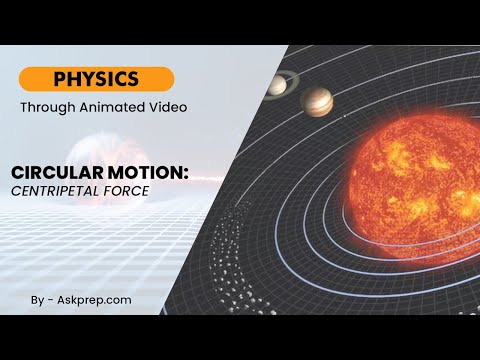
Circular motion is a type of motion where an object moves along the circumference of a circle. This motion can be unifo…
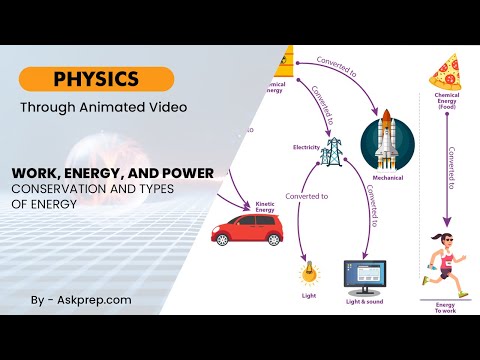
Work, energy, and power are fundamental concepts in physics that explain how objects move and interact with forces. The…
Kinematics is the branch of physics that deals with the description of motion. In classical mechanics, motion in a stra…
Newton's Laws of Motion form the foundation of classical mechanics and describe how objects behave under the influence …
Choose an option to continue: